
The Difference Between Functional & Culinary Mushrooms (and Why You Need Both)
You can have your (functional) mushrooms, and eat them too.
The mighty mushroom hates being pigeonholed. With the recent trend toward functional mushrooms, it's easy to forget that before mushrooms went ‘functional’ they were simply the spongy, funny-looking part of the fungi that sprouted above ground – and part of a well-balanced diet. Here, we’ll break down the differences between functional and culinary mushrooms – where they overlap, and when they don’t, and which is a more important part of a balanced diet (hint: neither!)
First off, What Are ‘Functional Mushrooms’?
We get this question all the time, and we think it's because ‘functional mushroom’ sounds like a stuffy way of describing what is a pretty basic concept.
Functional mushrooms are mushrooms that have benefits beyond basic nutrition. Unlike culinary mushrooms, which chefs love for their rich, complex, and umami flavor, functional mushrooms are prized for their diverse supply of bioactive compounds – the part of the mushroom that does magical things for our minds, bodies, and spirits.
Functional mushrooms have been used in holistic and traditional medicine systems, like Ayurveda and Traditional Chinese Medicine (TCM). You can find them sold as extracts, powders, and powder supplements. At Madre Mushroom, we use a powder – the whole, dehydrated, and ground mushroom.
And Culinary Mushrooms: What Are Those?
As their name suggests, culinary mushrooms are a classification of mushrooms used specifically for cooking. They’re distinct from functional mushrooms because they’re valued for their taste and texture. Culinary mushrooms also boast strong nutritional profiles, so these categories are NOT mutually exclusive.
For example, maitake (Hen of the Woods) and shitake mushrooms are considered functional because of their range of bioactive compounds (e.g. beta-glucans, triterpenes, polysaccharides, and phenolic compounds). Both are culinary mushrooms because of their strong flavor, firm texture, and presence in various cuisines.
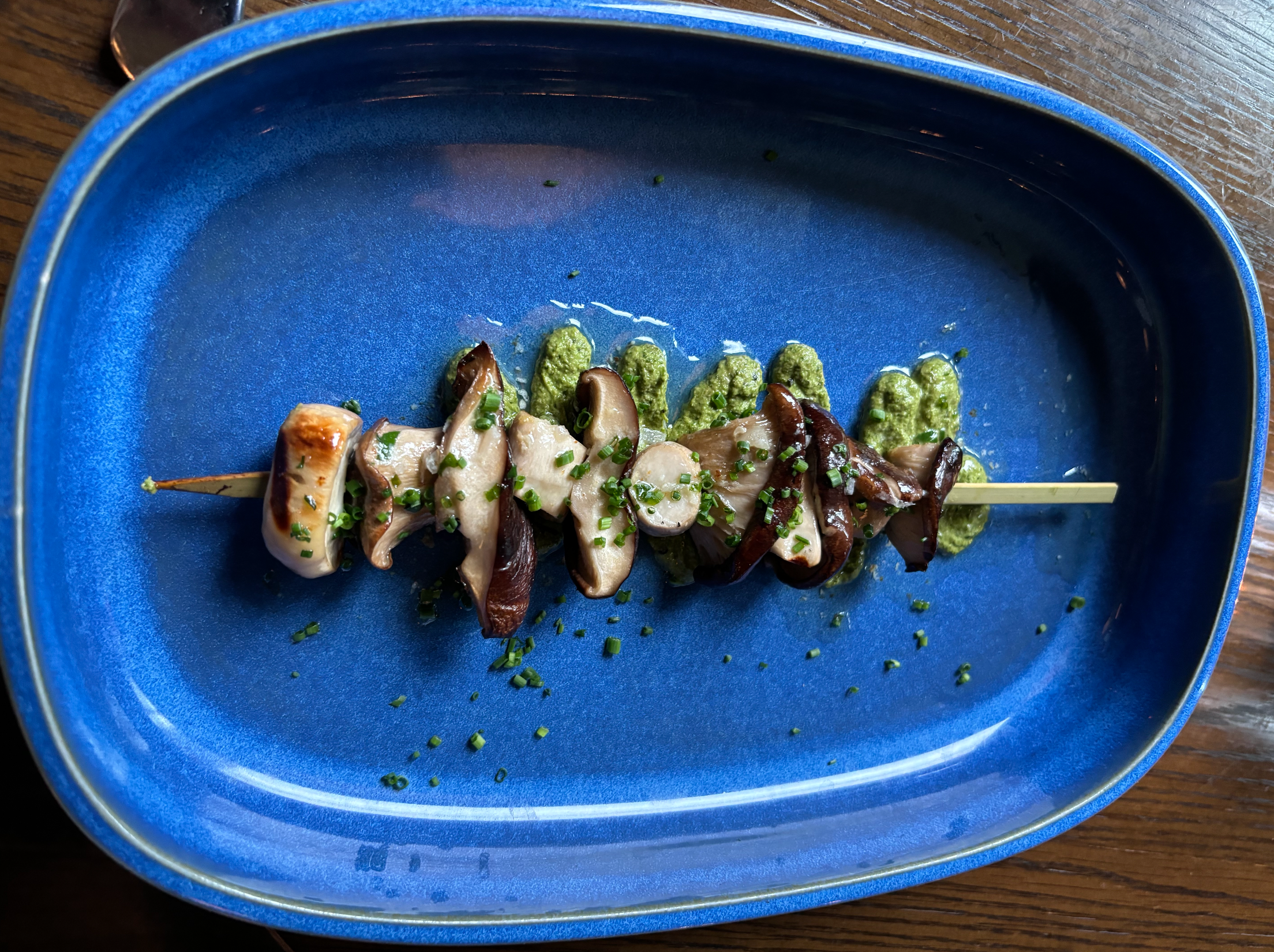
Most culinary mushrooms can be sauteed, grilled, roasted, or used in saucy dishes like soups and stews. We love maitake shredded, pan-fried in olive oil for a crispy texture, and sprinkled with a little flaky salt and a squirt of lemon.
5 Common Culinary Mushrooms For Your Kitchen
In the United States, common culinary mushrooms are stocked on supermarket shelves. Though they’re generally not the most pronounced flavor, they’re accessible and affordable – and the perfect gateway into mushroom cooking!
White button (Agaricus bisporus):
These are the most common culinary mushrooms (you’ll find these guys topping a pizza) and account for approximately 90% of the mushrooms consumed in the US. While they’re not the most flavorful, they do good things for a mushroom’s PR.
Cremini/Baby Bella (Agaricus bisporus):
These common culinary mushrooms are white button’s more mature, flavorful cousin. The texture is meatier and the flavor earthier. We recommend them over white button mushrooms.
Portobello (Agaricus bisporus):
You know these – the big guys that (miraculously!) seem to hold up when grilled. Portobellos are a common culinary mushroom, the fully mature form of the Agaricus bisporus species. The large size and meaty texture make them a hearty vegetarian option and a go-to substitute for burger patties.
Shitake (Agaricus bisporus):
We love shitakes. They’re easy to source compared to wild mushrooms, but they are exceptionally flavorful – especially compared to white button and baby bella mushrooms. They’re most commonly used in Asian cuisines and are perfect for stir-frying. Because of their potent flavor, shitakes work well when dried – simply put them on paper and leave them on your counter or in your fridge until dried completely, then use them in soups for a punch of umami flavor.
Oyster Mushrooms (Pleurotus ostreatus):
These mushrooms are delicate in texture and flavor – mild, almost sweet. They don’t take well to high-heat cooking, so consider them for soups, or as a raw garnish.
Our Favorite Wild-foraged and Wild-cultivated Culinary Mushrooms
Found in forests, meadows, and other natural habitats, wild mushrooms grow naturally in the wild – without any human intervention. They’re prized for their flavor and nutrition. These culinary mushrooms are foraged by hand, which can be labor-intensive (but immensely rewarding!)
Cultivated mushrooms are farmed (like the common culinary mushrooms above). When wild varieties of culinary mushrooms are grown using cultivation techniques meant to mimic the conditions of their wild environment, they’re called wild-cultivated.
We recommend stopping by your local farmers’ market to source wild and wild-cultivated mushrooms. (If you’re local to Chicago, visit us at Logan Square and Wicker Park locations). Farmers' markets are ideal because they spotlight local, regional growers who specialize in cultivating mushrooms under semi-natural conditions. They also offer a more diverse range of culinary mushrooms than you might find at the supermarket. Because they are typically harvested fresh, their flavor and quality are better than grocery store varieties.
Below are a few of our favorite varieties of wild-cultivated culinary mushrooms found in the Midwest
-
Lobster Mushrooms (Hypomyces lactifluorum)
-
Pioppino Mushrooms (Agrocybe aegerita)
-
King Trumpet Mushrooms (Pleurotus eryngii)
-
Lion’s Mane (Hericium erinaceus)
-
Chestnut Mushrooms (Pholiota adiposa)
What Percentage of Mushrooms Are Edible?
There are a staggering 14,000 described mushroom species in the world. Out of those, scientists estimate 50% are edible. However, less than half of those (about 3,000 species) have the degree of edibility that makes them valuable for human consumption.
Careful though: 10% of known mushroom species are considered poisonous, so please consult a trusted source before consuming unidentified or uncultivated mushrooms.
Which Edible Mushrooms Grow On Trees?
Some culinary mushrooms are edible mushrooms that grow on trees. Some do so to decompose dead wood (these are called saprotrophs) while others have a more parasitic relationship with their host tree.
Lion’s Mane (Hericium erinaceus):
You’ll recognize one of our favorite mushrooms by its distinctively shaggy, white appearance. These grow on hardwood trees like maple, sycamore, and American elm.
Chicken of the Woods (Laetiporus species):
Not to be confused with Hen of the Woods (maitake) these look like lobster shells and form a shelf-like structure on oak trees and other hardwood.
Maitake (Grifola frondosa):
“Hen of the Woods” mushrooms grow in clusters at the base of trees, especially oaks.
Beech Mushrooms (Hypsizygus tessulatus):
Beech mushrooms are culinary mushrooms that grow on beech trees. They're also wispy and adorable-looking: The Madre Mushroom logo features a cluster of beech mushrooms. Awww...
Oyster Mushrooms (Pleurotus ostreatus):
Oyster mushrooms grow on hardwood trees – like oaks and beeches.
Why You Need Both Functional and Culinary Mushrooms
Some people simply don’t like the taste or texture of mushrooms – and that’s fine! We’re not here to yum your yuck. Culinary mushrooms are versatile and can be more accessible to purchase. They form the backbone of many traditional cuisines (think: Chinese and wood ear, Italian and porcini, French and morel, and Japanese and enoki.)
Synergistic Benefits of Functional & Culinary Mushrooms
Broader Nutrition
Just like eating a balanced diet provides you with the nutrition you need to thrive, combining both functional and culinary mushrooms in your diet diversifies the nutrients and other beneficial compounds you’re likely to consume.
Everyday Use
While functional mushrooms typically tackle specific wellness goals (like improved immune function and cognition) when taken daily, culinary mushrooms can also be enjoyed daily in your diet for enjoyment, without necessarily targeting specific wellness goals.
Creativity + Wellness:
The kitchen is a veritable playground. Few foods are as fun and playful as mushrooms. Culinary mushrooms bring versatility and flavor to mealtime, inspiring numerous recipes – like beverages, soups, or desserts.
References:
Venturella G, Ferraro V, Cirlincione F, Gargano ML. Medicinal Mushrooms: Bioactive Compounds, Use, and Clinical Trials. Int J Mol Sci. 2021 Jan 10;22(2):634. doi: 10.3390/ijms22020634. PMID: 33435246; PMCID: PMC7826851.
Kalac, Pavel. "A review of chemical composition and nutritional value of wild‐growing and cultivated mushrooms." Journal of the Science of Food and Agriculture, vol. 93, no. 2, 2013, pp. 209-218. Wiley, https://doi.org/10.1002/jsfa.5960.
Kaliyaperumal, Malarvizhi, et al. "A Global Overview of Edible Mushrooms." Biology of Macrofungi, Springer, 2019, pp. 15–56.
https://www.shroomer.com/tree-dwelling-mushroom-species/?
Emma Camilleri, Renald Blundell, Bikash Baral, Tomasz M. Karpiński, Edlira Aruci, Omar M. Atrooz, Unveiling the full spectrum of maitake mushrooms: A comprehensive review of their medicinal, therapeutic, nutraceutical, and cosmetic potential, Heliyon, Volume 10, Issue 9, 2024, e30254, ISSN 2405-8440, https://doi.org/10.1016/j.heliyon.2024.e30254. (https://www.sciencedirect.com/science/article/pii/S2405844024062856)